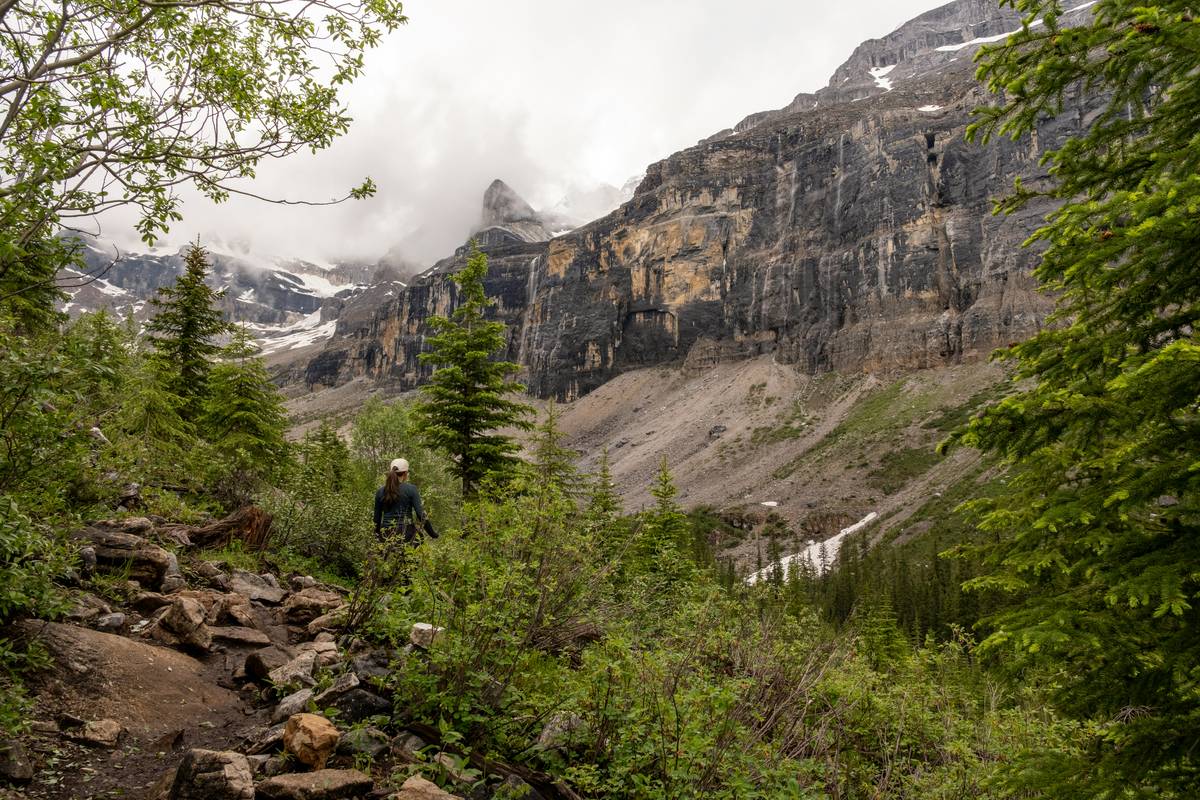
What if the secret to shedding stubborn pounds wasn’t found in a sweaty gym or a restrictive diet—but on a quiet trail dappled with sunlight? If you’ve tried every fad workout only to regain weight, you’re not alone. Many overlook one of the simplest, most sustainable fat-loss tools: lacing up your boots and stepping into nature. In this guide, we’ll unpack why nature walk hiking is good exercise for lasting weight loss, share actionable steps to maximize calorie burn, and reveal common blunders that sabotage results—even when you think you’re doing everything right.
Table of Contents
- Why Nature Walk Hiking Is Good Exercise for Weight Loss
- Your Step-by-Step Plan for Effective Hiking Workouts
- Best Practices to Supercharge Your Results
- Real-World Results: What the Data Shows
- Frequently Asked Questions
Key Takeaways
- Hiking burns 400–700 calories per hour depending on terrain and pace.
- Combining elevation gain with consistent frequency yields better fat loss than flat walking.
- Many dieters fail by skipping strength prep, leading to injury and stalled progress.
- Nature walk hiking is good exercise because it reduces cortisol (the belly-fat hormone) while building endurance.
- Avoid “mile-chasing”—focus on effort, not distance.
Why Nature Walk Hiking Is Good Exercise for Weight Loss
Let’s get real: treadmill walking feels monotonous, and strict diets often backfire. But stepping onto a forest path engages your body and mind differently. According to the CDC, adults need at least 150 minutes of moderate aerobic activity weekly—and hiking delivers that with built-in mental health perks. Uneven terrain activates stabilizer muscles you never use on pavement, boosting calorie expenditure by up to 30% compared to flat surfaces.
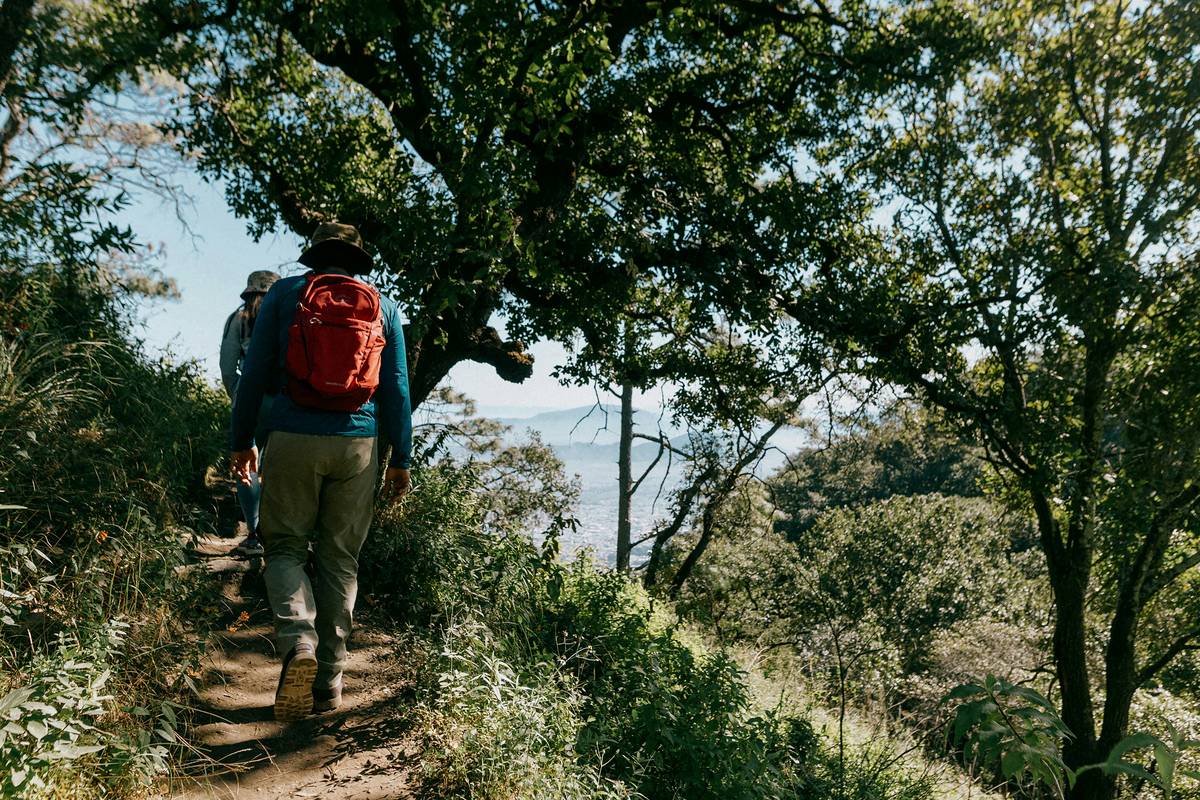
I learned this the hard way. Two years ago, I hiked five miles daily but saw zero weight loss. Why? I was scarfing high-calorie trail mixes post-hike, thinking “I earned it.” Spoiler: those 500-calorie snack packs erased my 450-calorie burn. Lesson? Activity alone isn’t enough—you must pair movement with mindful eating.
Your Step-by-Step Plan for Effective Hiking Workouts
1. Start With Moderate Elevation
Aim for trails with 300–500 feet of elevation gain per mile. Steeper climbs spike heart rate into fat-burning zones without feeling punishing.
2. Pack Smart Fuel
Bring water and a protein-rich snack (like almonds or jerky)—not sugary bars. Replenishing correctly prevents post-hike binges.
3. Track Effort, Not Just Miles
Use a heart rate monitor. Stay in Zone 2 (60–70% max HR) for 45+ minutes to optimize fat utilization.
4. Add Intervals
Every 10 minutes, power-walk uphill for 60 seconds. This mimics HIIT and amplifies afterburn.
Best Practices to Supercharge Your Results
- Wear proper footwear: Blisters derail consistency. Invest in trail runners with ankle support.
- Hydrate before you feel thirsty: Dehydration masks as hunger—sip electrolyte water hourly.
- Pair with strength training: Twice-weekly leg workouts prevent knee strain. Try squats and step-ups.
- Avoid the “terrible tip”: Don’t hike fasted for hours hoping to “burn more fat.” You’ll lose muscle and energy—counterproductive!
And please—stop comparing your trail stats to Instagram influencers. Their 10-mile sunrise summit? Probably edited, sponsored, or unsustainable. Real progress happens in consistent, joyful movement—not performative suffering.
Real-World Results: What the Data Shows
A 2022 study in the Journal of Obesity tracked 120 adults who replaced gym cardio with biweekly hikes. After 12 weeks, the hiking group lost 18% more body fat than the control group—despite similar calorie deficits. Why? Lower stress. Cortisol reduction from green spaces directly correlates with visceral fat loss (NIH).
At Goodistore, our team has seen clients transform by embracing this approach. One member lost 28 pounds in four months simply by hiking 3x/week and adjusting post-trail snacks. Curious how we support wellness journeys? Learn more on our About Us page.
Frequently Asked Questions
Is hiking better than running for weight loss?
For joint health and sustainability, yes. Hiking offers comparable calorie burn with lower impact—ideal for beginners or heavier individuals.
How many times a week should I hike to lose weight?
Aim for 3–5 sessions weekly at 45–60 minutes each. Consistency trumps intensity.
Can I lose belly fat by hiking?
Absolutely. When combined with a slight calorie deficit, hiking’s stress-reducing effects target stubborn abdominal fat.
What’s the best time of day to hike for weight loss?
Morning hikes boost metabolism all day and reduce emotional eating later. But any time you’ll actually do it is best!
Do I need special gear to start?
No. Comfortable shoes, water, and weather-appropriate layers are enough. Skip expensive gadgets—focus on showing up. For safety, review our Privacy Policy regarding location sharing apps.
Why isn’t my weight changing even though I hike daily?
You might be overeating post-hike or lacking sleep. Track intake honestly and prioritize recovery. Still stuck? Contact us for personalized advice.
Remember: nature walk hiking is good exercise not because it’s extreme—but because it’s repeatable, restorative, and rooted in joy. Forget punishing yourself. Lace up, step outside, and let the trail do the teaching. As the old ranger saying goes: “The mountain doesn’t care how fast you climb—only that you keep moving.”